Paint has no fixed color in a room. What you see is the pigment plus whatever light is bouncing off it, and that light changes with the direction your window faces, the time of day and the bulbs you switch on at night. It’s why a cream that glows in your neighbor’s living room can look like weak tea in yours.
So before you think about color, spend a day noticing your light.
Start with the direction your windows face
These notes apply in the Northern Hemisphere. If you live south of the equator, swap north and south.
- North-facing rooms get steady, cool, slightly blue light with few strong shadows. Pale grays can turn flat and chilly here. Warm whites, soft ochres and earthy mid-tones help, or you can lean in and go deep and cozy.
- South-facing rooms get strong, warm light for most of the day. Nearly everything looks good, and cool colors stay fresh rather than cold. Very saturated warm colors can feel intense by midday.
- East-facing rooms are warm and bright in the morning, then cooler after noon. Choose for the time you use the room most.
- West-facing rooms are soft and cool in the morning, then turn amber and dramatic toward evening. Warm colors will glow late in the day, so test them at sunset before you commit.
Choose the color for the hour you actually use the room.
Test it properly
- Go big. Paint a sample at least two feet square, or use a large peel-and-stick sample. Small chips can’t tell you much.
- Test on two walls. One that gets direct light and one that stays in shadow. The same color can read very differently on each.
- Keep it away from the old color. Your current wall color skews what you see. Leave a white border around each sample, or hold the sample board away from the wall.
- Check it three times. Look in the morning, in the afternoon and at night with your lamps on. If you only love it at one of those times, pick the time that matters most to you.
Don't forget your bulbs
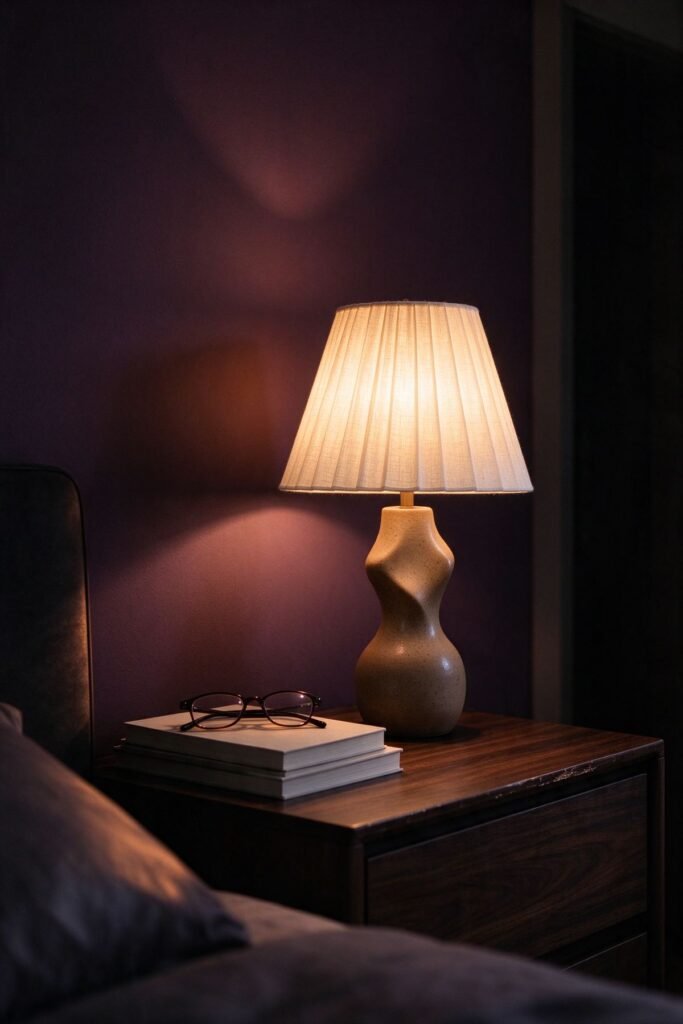
After dark, your bulbs do the job your windows did all day. Warm white bulbs, around 2700K, flatter most warm colors and keep a room feeling calm in the evening. Cooler bulbs, 4000K and up, can make a soft neutral look gray or slightly green. Test your samples under the bulbs you plan to keep.
Match the light to the mood
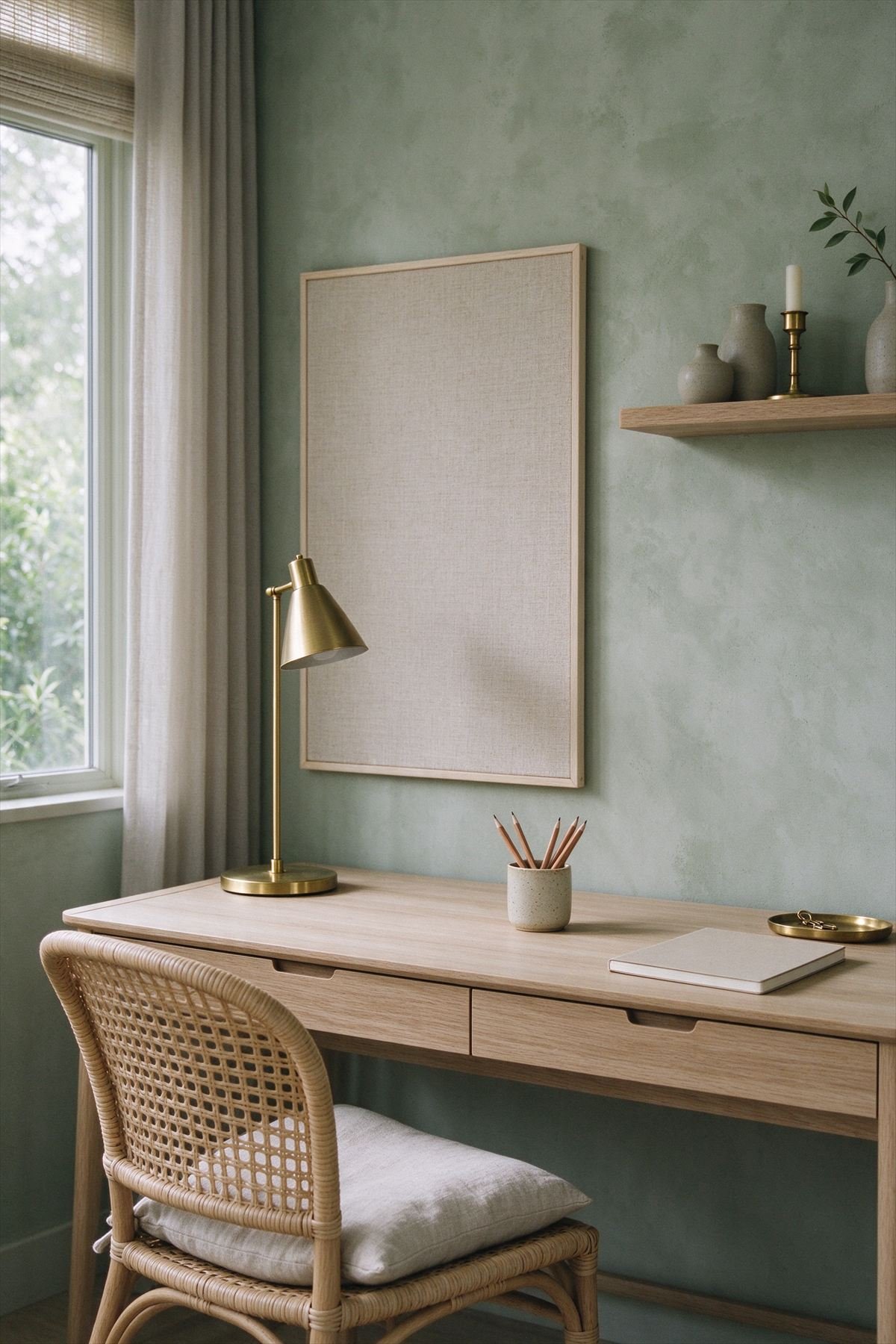
You don’t have to fight the light you have. A dim north-facing room may never feel like Morning Linen, but it could be a beautiful Velvet Dusk. A room that gets fierce evening sun is already halfway to Golden Hour. Soft, even daylight is ideal for Still Water.
Not sure which suits you? The Aura Finder takes about a minute.